



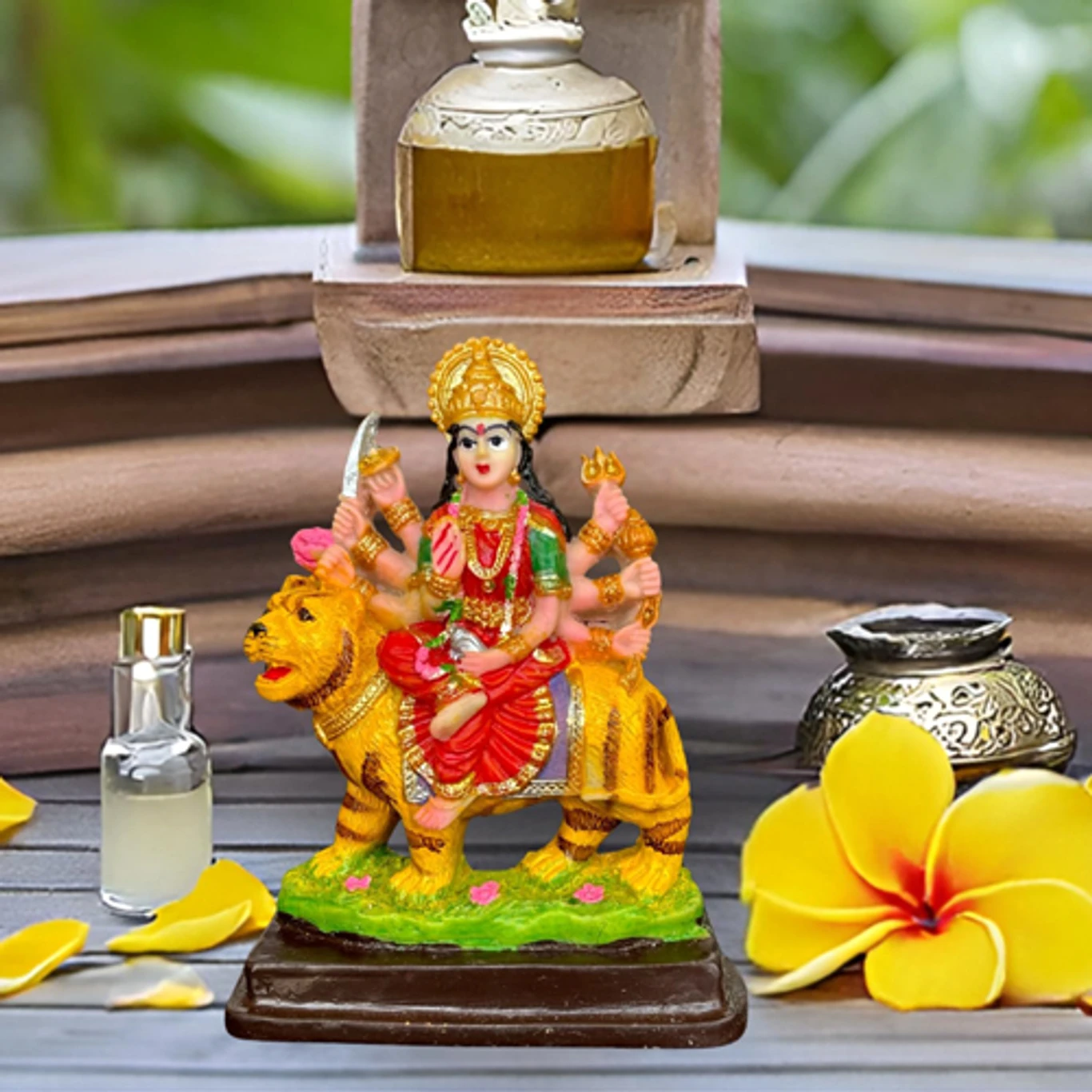
Navratri is not just a festival. It’s a feeling. A vibration. A divine connection with Maa Shakti that transforms homes into temples and hearts into sacred spaces.
Every year, as the first diya is lit and the sound of “Jai Mata Di” echoes, one beautiful question arises in every devotee’s heart:
How to choose Mata Rani dress for 9 days?
If you’ve ever stood in front of Maa’s murti thinking, “Is this poshak perfect for her?” — this guide is for you.
Why Mata Rani’s Dress Matters During Navratri
Navratri celebrates the nine divine forms of Maa Durga — collectively known as Navdurga. Each day represents a different energy, color, and spiritual vibration.
When you dress Mata Rani according to the day’s form and color, you:
- Align with cosmic energy
- Enhance spiritual atmosphere at home
- Show devotion through thoughtful seva
- Create a visually divine mandir space
Dressing Maa isn’t decoration. It’s devotion in action.
Navdurga Day-Wise Themes & Dress Colors
Here’s your complete day-wise styling guide:
Day 1 – Maa Shailputri
Color: Yellow
Energy: Strength & purity
Choose a bright yellow or mustard poshak. Add minimal golden lace for a royal touch. Yellow silk or cotton silk works beautifully.
Jewellery Tip: Gold-toned jewellery with small pearl accents.
Day 2 – Maa Brahmacharini
Color: Green
Energy: Peace & growth
Go for a soothing green shade. Avoid heavy embroidery — simplicity reflects her tapasya energy.
Jewellery Tip: Light kundan or green stone jewellery.
Day 3 – Maa Chandraghanta
Color: Grey
Energy: Courage
Grey with silver work looks elegant and powerful. Choose subtle shimmer fabric.
Jewellery Tip: Silver jewellery with moon-shaped motifs.
Day 4 – Maa Kushmanda
Color: Orange
Energy: Positivity & warmth
Bright orange silk or brocade creates a radiant aura in your mandir.
Jewellery Tip: Gold with orange beads.
Day 5 – Maa Skandamata
Color: White
Energy: Motherly love
White satin or georgette poshak with delicate lace border.
Jewellery Tip: Pearl jewellery for divine grace.
Day 6 – Maa Katyayani
Color: Red
Energy: Power & passion
Classic red velvet or silk with heavy golden embroidery makes this day grand.
Jewellery Tip: Full bridal-style set with maang tikka.
Day 7 – Maa Kalaratri
Color: Royal Blue
Energy: Protection
Deep blue satin or silk reflects strength and mystery.
Jewellery Tip: Blue stones with oxidized silver.
Day 8 – Maa Mahagauri
Color: Pink
Energy: Compassion
Soft baby pink or bright rani pink poshak looks beautiful.
Jewellery Tip: Rose-gold tone accessories.
Day 9 – Maa Siddhidatri
Color: Purple
Energy: Wisdom & fulfillment
Choose purple silk with golden zari work for royal vibes.
Jewellery Tip: Amethyst-inspired jewellery.
9 Dresses or 1 Base Dress? (Smart Budget Strategy)
Not everyone can buy 9 different poshaks — and that’s absolutely okay. Bhakti matters more than budget.
Option 1: Buy 9 Different Dresses
Best for:
- Large mandir setups
- Temple events
- Grand celebrations
Option 2: One Base Dress + Accessory Rotation (Budget-Friendly Strategy)
- Choose one neutral base color (red, white, or gold)
- Change dupatta color daily
- Rotate jewellery sets
- Add day-wise color chunri
- Use different crowns (mukut)
This method saves money and still follows Navratri color themes beautifully.
How to Choose the Right Fabric?
When deciding how to choose mata rani dress for 9 days, fabric plays a major role.
✔ Best Fabrics:
- Silk (royal look)
- Velvet (Day 6 special)
- Cotton silk (lightweight)
- Satin (budget-friendly shine)
- Brocade (festive vibe)
Avoid:
- Very heavy cloth (hard to change daily)
- Poor-quality synthetic material
- Faded or rough fabric
Comfort matters — especially if you’re changing dress daily during aarti.
Jewellery Matching Ideas
A perfectly styled Mata Rani always includes:
- Mukut (crown)
- Necklace set
- Earrings
- Bangles
- Nose ring (optional)
- Waist belt (kamarbandh)
Pro Tip: Keep one heavy set for Ashtami (Day 8) and one grand red bridal set for Day 6.
Storage & Maintenance Tips
Your Mata Rani dresses deserve respect even after Navratri ends.
After Navratri:
- Gently fold each poshak
- Wrap in soft muslin cloth
- Store in dry place
- Avoid plastic bags
- Keep silica gel to prevent moisture
If stained:
- Spot clean only
- Avoid harsh detergents
- Do not machine wash heavy embroidered dresses
Treat them like sacred garments.
How to Choose Mata Rani Dress for 9 Days – Final Devotional Checklist
Before Navratri starts:
✔ Check Navratri color chart
✔ Plan jewellery combination
✔ Decide budget strategy
✔ Buy extra lace & safety pins
✔ Prepare storage space
When devotion meets planning — perfection happens.
Conclusion: Dress Maa with Love, Not Pressure
Remember, Mata Rani doesn’t measure devotion by price tags.
Even a simple red chunri offered with pure heart is more powerful than the most expensive velvet poshak without bhakti.
So when someone asks you, “How to choose mata rani dress for 9 days?”
Tell them — choose with love, choose with faith, choose with intention.
Because in the end…
It’s not about the dress. It’s about the devotion behind it.
Frequently Asked Questions (FAQs)
1. Do I need to strictly follow Navratri color chart for Mata Rani dress?
No, it is not compulsory. It is spiritually symbolic but devotion matters more than strict color rules.
2. Can I use one dress for all 9 days?
Yes. You can rotate dupattas, jewellery, and accessories to create day-wise variation.
3. Which fabric is best for Mata Rani poshak?
Silk and velvet are most popular for royal look, while satin and cotton silk are budget-friendly and easy to maintain.
4. How many jewellery sets are ideal for Navratri?
At least 2–3 sets are enough — one simple, one moderate, and one heavy for Ashtami or Navami.
5. Where should I store Mata Rani dresses after Navratri?
Wrap them in muslin cloth and keep them in a clean, dry place inside your mandir cupboard or sacred storage box.
Jai Mata Di! May Maa bless your home with prosperity, peace, and divine energy this Navratri.